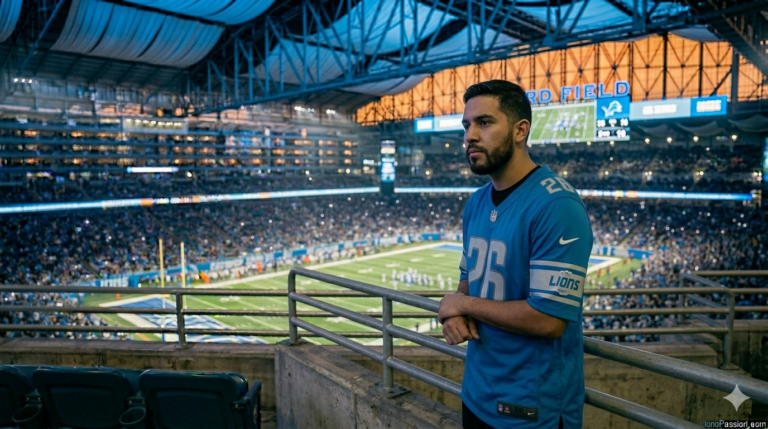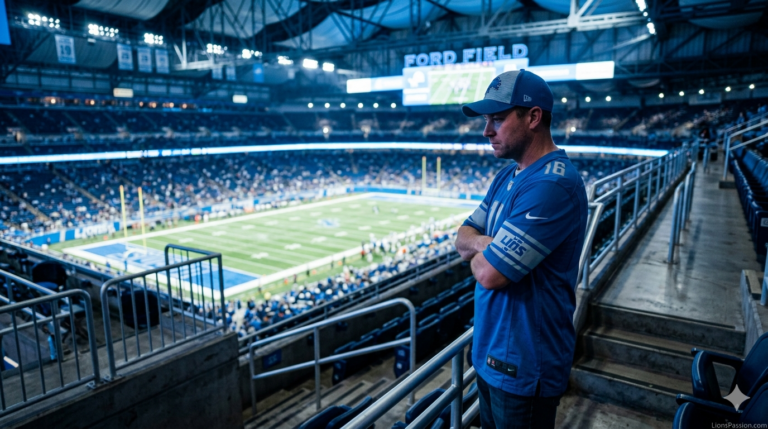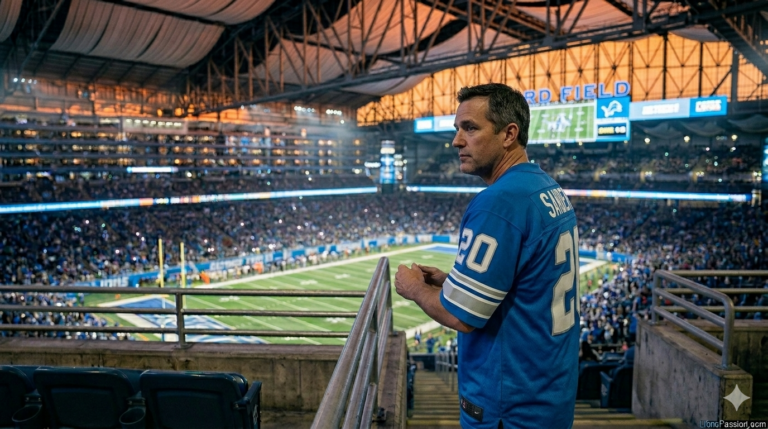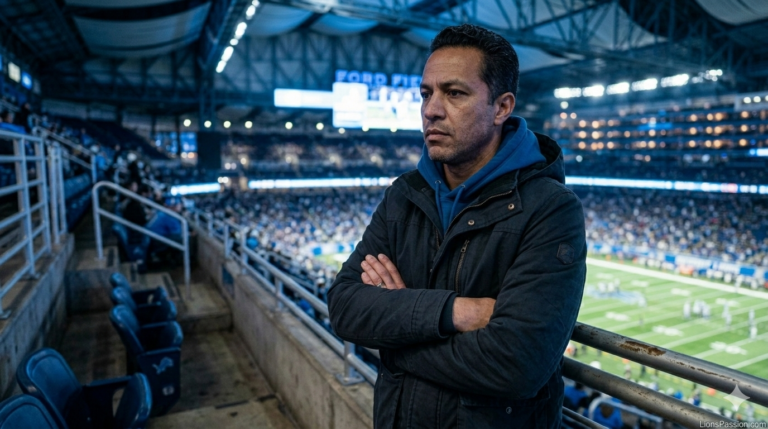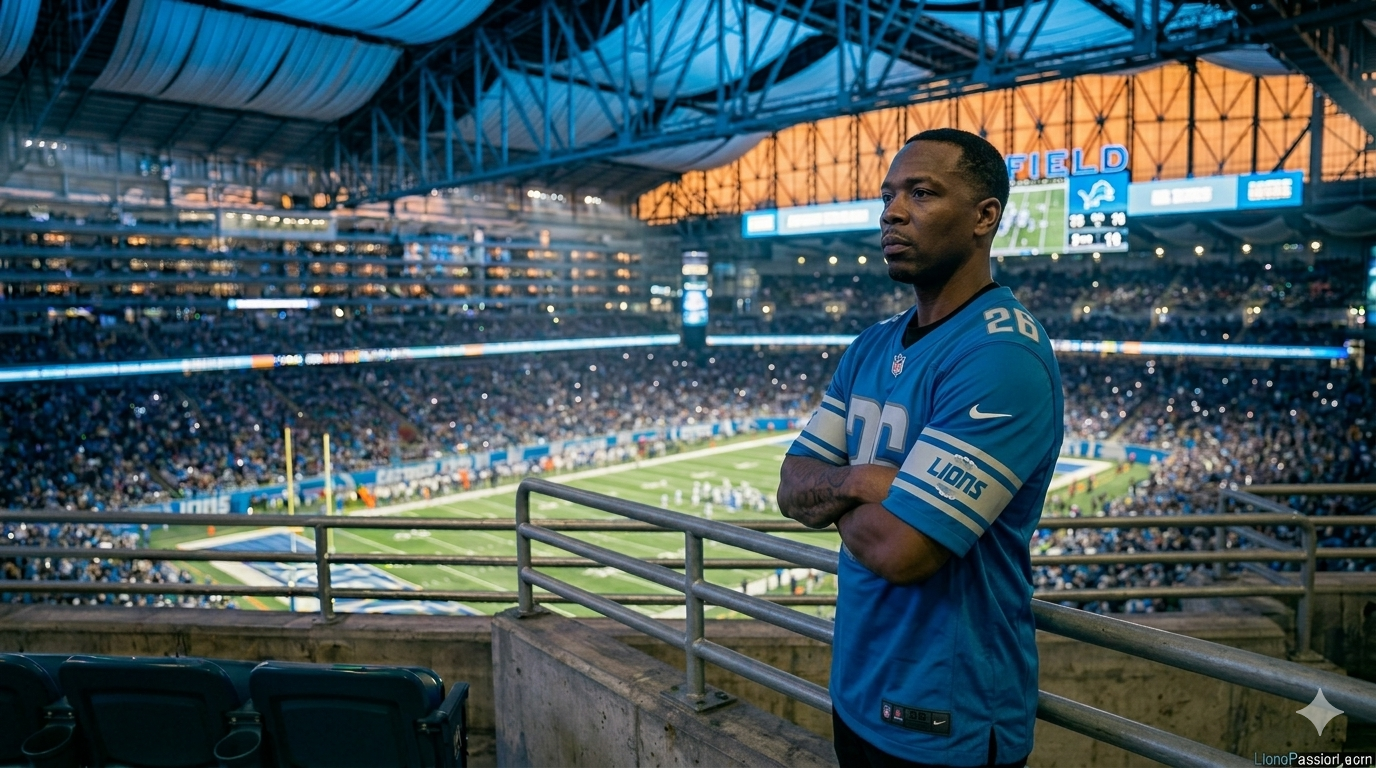
The Lions Aren’t Chasing Free Agency — They’re Controlling It
Every NFL offseason comes with the same assumption.
Teams that fall short start swinging.
They chase free agents.
They overpay to fill holes.
They try to fix everything in one aggressive burst.
That’s how most franchises operate when pressure builds.
But if you look closely at what Detroit is doing this offseason, the pattern looks different.
The Lions aren’t chasing free agency.
They’re controlling it.
And that difference is exactly why Detroit continues to look like one of the most stable contenders in the league.
Free Agency Usually Exposes Teams
Free agency tends to reveal how confident an organization actually is.
Teams that panic tend to spend loudly.
Teams that feel pressure chase headlines.
Teams that doubt their roster start rewriting it.
Detroit’s behavior signals something else entirely.
Instead of dramatic swings, the Lions’ moves have followed a quieter rhythm.
Re-sign a trusted linebacker.
Add competition to the backfield.
Collect compensatory draft capital.
Track positional needs carefully.
None of those moves dominate national headlines. But together they reveal a front office that believes the foundation of this roster is already strong.
Detroit isn’t trying to reinvent itself.
It’s reinforcing what already works…see the Brad Holmes roster strategy
The Pacheco Addition Tells a Bigger Story
One of the most interesting developments from today’s news cycle is the reported addition of running back Isiah Pacheco.
At first glance, that move might confuse people.
The Lions already have Jahmyr Gibbs — one of the most explosive backs in the league.
So why add another dynamic runner?
Because Detroit’s offense isn’t built around individual stars.
It’s built around pressure and pace.
Pairing Pacheco with Gibbs allows Detroit to sustain explosive run threats without exhausting one player over a long season.
Defenses can’t key on a single back.
The offense can maintain tempo.
And the physical toll of the season spreads across multiple players.
In other words, the move isn’t about replacing anyone.
It’s about protecting the system. Here’s a deeper look at the Detroit’s offensive identity
The Malcolm Rodriguez Move Signals Cultural Continuity
Another quiet but meaningful development is the Lions re-signing linebacker Malcolm Rodriguez.
Rodriguez may not dominate highlight reels, but he embodies something Detroit values deeply: reliability.
Rodriguez understands the defensive structure.
He communicates well within the system.
He fits the physical style the Lions demand from their defenders.
Teams that lose sight of culture often replace players like Rodriguez with flashier options.
Detroit tends to do the opposite.
The Lions prioritize players who stabilize the locker room and reinforce the team’s identity.
When you understand that philosophy, moves like this stop looking small.
They start looking intentional.
Compensatory Picks Reveal Long-Term Thinking
Another headline buried in today’s updates might matter even more than a free-agent signing.
Detroit has been awarded an additional compensatory selection in the 2026 draft.
For fans focused on immediate roster moves, that might sound minor.
For front offices, compensatory picks are strategic gold.
They represent extra opportunities to inject young talent into the roster without sacrificing existing assets.
Brad Holmes has shown repeatedly that he values draft flexibility.
Extra picks allow Detroit to maintain a steady pipeline of young contributors.
And when that pipeline stays healthy, the roster remains competitive even as contracts expire and veterans move on.
That’s how sustainable contenders operate. You have to consider Detroit’s roster timeline!
The Lions Are Managing a Window, Not Opening One
One of the biggest misconceptions about Detroit right now is that the Lions are still trying to “arrive.”
That’s not the case.
Detroit has already entered its contender window.
Now the challenge becomes maintaining it.
That requires discipline.
Every signing must fit the cap structure.
Every contract must preserve flexibility.
Every roster move must strengthen the system rather than disrupt it.
When teams forget those rules, their windows close quickly.
Detroit’s front office appears determined not to repeat that mistake.
Why the League Is Watching Detroit Closely
The Lions’ approach to roster construction is starting to attract attention around the league.
Other teams notice when a franchise consistently drafts well.
They notice when a team develops mid-round picks into stars.
They notice when locker rooms remain stable even after success arrives.
Detroit’s blueprint — build through the trenches, draft relentlessly, reinforce culture — is beginning to influence how other organizations think about rebuilding.
That influence is subtle, but it’s real.
For years Detroit chased the league.
Now the league is starting to study Detroit.
The Difference Between Spending and Building
In the NFL, there’s a critical difference between spending money and building a roster.
Spending reacts to problems.
Building anticipates them.
Detroit’s moves this offseason suggest a front office that understands where the roster might bend before it breaks.
Depth at running back protects the offense.
Continuity at linebacker protects the defense.
Extra draft picks protect the future.
Individually those decisions look small.
Together they create structural strength.
What Fans Should Watch Next
As free agency continues, the most important thing to watch won’t necessarily be who the Lions sign.
It will be how disciplined they remain.
If Detroit avoids emotional spending and continues reinforcing the roster strategically, it will signal something important.
It will signal that the Lions believe their foundation is already strong enough to compete.
That belief — quiet but confident — is exactly what contenders sound like when they’re building for January instead of headlines.
Final Thought
The Lions’ offseason isn’t about dramatic moves or splash signings.
It’s about control.
Control over the roster.
Control over the salary cap.
Control over the long-term direction of the franchise.
And when a team reaches that level of control, something interesting happens.
Free agency stops feeling like a gamble.
It starts looking like a strategy.
If you want deeper breakdowns of the strategy behind Detroit’s roster moves — not just the news but the structure behind every decision — explore LionsPassion.
We analyze how the Lions build their roster, how Brad Holmes manages the contender window, and why Detroit’s long-term strategy may be the most disciplined model in the NFL.