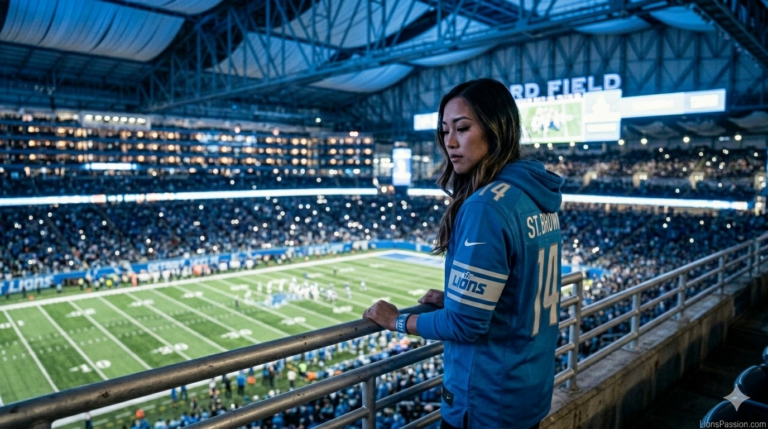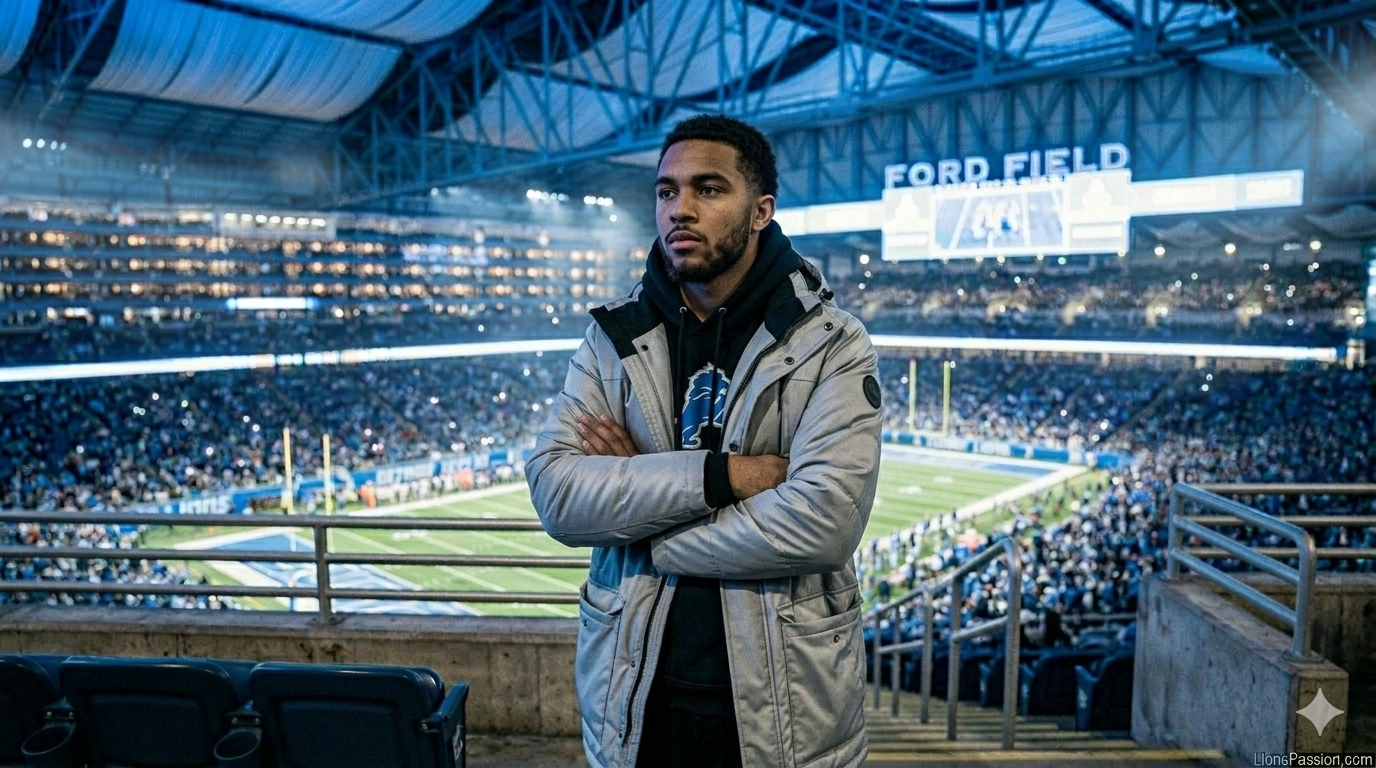
How Brad Holmes Is Building the Detroit Lions | The Roster Blueprint Explained
The Lions Didn’t Just Rebuild — They Rewired How the Organization Thinks
Every NFL franchise talks about “building the right way.”
But most organizations don’t actually change how they operate. They simply swap coaches, rotate general managers, and hope the next draft class fixes everything.
Detroit tried that cycle for decades.
Draft class hope.
Free agency optimism.
Coaching resets.
Then another rebuild.
When Brad Holmes arrived in Detroit, the Lions didn’t just hire a new general manager.
They changed the blueprint.
Holmes didn’t promise instant success. Instead, he quietly introduced a roster philosophy that looked very different from what fans had grown accustomed to seeing.
The goal wasn’t to win the offseason.
The goal was to build a roster that could sustain success once it arrived.
That distinction is the key to understanding how the Detroit Lions operate today.
Because the Lions’ rise isn’t the result of one great draft or one brilliant trade.
It’s the result of a front office that understands something many NFL teams forget:
Championship windows are not created by dramatic moves.
They are created by consistent decision-making over time.
The Draft-First Model That Defines Detroit
Holmes’ approach to roster construction begins with one foundational belief:
The most important players on your roster must come through the draft.
Free agency can help fill gaps. Trades can occasionally accelerate progress. But if a franchise wants long-term stability, the core must be homegrown.
Detroit’s roster tells that story clearly.
Aidan Hutchinson.
Penei Sewell.
Amon-Ra St. Brown.
Brian Branch.
Sam LaPorta.
These players didn’t arrive through blockbuster trades or record-breaking contracts.
They were drafted, developed, and integrated into the Lions’ culture from day one.
That matters more than many fans realize.
When teams draft their core players, they gain advantages that cannot be purchased in free agency:
They control contract timelines.
They shape development from the beginning.
They establish locker room identity.
And most importantly, they create continuity.
Continuity allows a roster to evolve without collapsing.
That is exactly what Detroit is trying to build.
Why the Lions Invest in the Trenches First
If you want to understand Brad Holmes’ priorities, start with the trenches.
The offensive line.
The defensive line.
The Lions have repeatedly emphasized these areas because they understand something simple but powerful:
The line of scrimmage determines whether everything else works.
Quarterbacks perform better when protection is stable.
Running backs thrive when blocking angles exist.
Defenses succeed when pass rush disrupts timing.
When the trenches collapse, even elite skill players struggle to overcome the damage.
Holmes’ commitment to this philosophy has been visible in both the draft and roster development.
Detroit invested heavily in the offensive line long before the team became a contender. Penei Sewell quickly became one of the league’s most dominant tackles. Interior depth has been carefully developed and refreshed.
On defense, the Lions have continued to pursue pass rush depth and disruptive interior linemen.
These decisions may not always generate headlines, but they form the foundation of sustainable success.
Because while skill players create highlights, the trenches create stability. So, when you look at the Detroit Lions draft philosophy that’s what the average Lions’ should see and expect!
Why Detroit Avoids Panic Drafting
Every April, the NFL Draft creates an atmosphere of urgency.
Fans debate positional needs. Analysts publish mock drafts predicting immediate fixes. Teams convince themselves that missing out on a particular player will derail their plans, and it seems to no secret on why the Lions protect their identity.
Holmes has consistently resisted that pressure.
Detroit’s draft strategy rarely focuses on immediate needs alone. Instead, the Lions operate within a structure that balances talent evaluation with roster planning.
This is often described as “best player available within the system.”
The phrase sounds simple, but its implications are important.
Detroit avoids forcing picks simply because a position looks thin. Instead, the Lions trust that a strong roster foundation allows them to prioritize talent.
That patience protects teams from one of the most damaging draft mistakes: reaching.
When teams reach, they sacrifice long-term value for short-term comfort.
Holmes’ approach emphasizes the opposite.
Draft players who fit the culture.
Draft players with developmental upside.
Draft players who strengthen the roster even if they aren’t immediate starters.
Over time, this strategy creates depth that becomes invaluable during long seasons.
How Detroit Uses Free Agency Differently
Free agency is often misunderstood.
For rebuilding teams, free agency is a tool for rapid change. Big contracts bring in players who can instantly elevate the roster.
But for contenders, free agency serves a different purpose.
It reinforces.
The Lions rarely chase the most expensive players available. Instead, they target signings that support the existing structure of the team.
That usually means:
Depth at key positions.
Veterans who stabilize rotations.
Players whose skill sets fit Detroit’s identity.
This approach protects the salary cap and preserves roster flexibility.
It also reduces the risk that one large contract disrupts locker room dynamics or future roster planning.
Holmes understands that sustainable contenders rarely win free agency headlines.
They win the quiet decisions that maintain balance. Detroit’s roster construction strategy is to ensure that this type of winning continues on into the future.
Culture as a Competitive Advantage
Talent matters in the NFL.
But culture determines whether talent works together.
From the moment Holmes and head coach Dan Campbell began shaping the Lions’ roster, they emphasized players who fit the team’s mentality.
Players who compete relentlessly.
Players who accept accountability.
Players who value the team’s success more than individual statistics.
This culture-first approach affects every roster decision.
Draft prospects are evaluated not only for their athletic ability but for their work habits and leadership traits.
Free agents are chosen carefully to ensure they strengthen the locker room rather than disrupt it.
When culture becomes a priority rather than an afterthought, teams develop resilience.
Resilience allows organizations to survive difficult moments without fracturing.
And those difficult moments always come during NFL seasons.
Managing the Transition From Rebuild to Contender
Rebuilding a roster is difficult.
But maintaining success after the rebuild is often harder.
Once a team becomes competitive, expectations change. Every decision now carries greater scrutiny. Fans and media demand aggressive moves to sustain momentum.
Holmes has resisted that pressure.
Instead of dramatically altering the roster after Detroit’s rise, he has continued following the same disciplined philosophy that built the team in the first place.
This consistency may frustrate fans who want splash signings.
But it protects the long-term health of the roster.
Teams that abandon their identity during success often collapse quickly.
Detroit appears determined to avoid that trap.
Why Offensive Line Stability Remains Critical
Few positions influence offensive performance as dramatically as the offensive line.
Detroit’s system relies on rhythm and timing. Jared Goff’s effectiveness increases when protection remains predictable and communication across the line is clear.
That’s why the Lions invest heavily in maintaining offensive line cohesion.
Even when changes occur — whether through aging players, contract negotiations, or roster adjustments — the front office prioritizes continuity.
Developing depth at tackle and interior positions ensures the offense can absorb injuries without losing structural integrity.
When offensive lines remain stable, the rest of the offense operates more efficiently.
This understanding continues guiding Detroit’s roster decisions.
The Importance of Roster Depth
Super Bowl contenders rarely collapse because their stars underperform.
They collapse when injuries expose weaknesses.
The Lions’ front office recognizes this risk and continuously reinforces the middle layer of the roster.
Depth players may not receive headlines, but they protect teams during critical stretches of the season.
Rotational defensive linemen.
Backup offensive linemen.
Situational receivers and defensive backs.
Each position group must remain capable of functioning when starters are unavailable.
This depth allows Detroit to maintain performance levels even when adversity strikes.
The Long-Term Window Detroit Is Building
Holmes’ philosophy ultimately centers on sustainability.
Rather than chasing short bursts of success, Detroit is constructing a roster capable of competing across multiple seasons.
This requires careful management of contracts, draft picks, and player development timelines.
Young players must continue entering the roster pipeline. Veterans must be evaluated honestly as they age. Salary cap flexibility must remain intact for future decisions.
These factors form the foundation of a sustainable championship window.
If Detroit continues executing this strategy, the Lions could remain contenders far longer than many teams that rely on short-term roster gambles.
What the Next Phase of the Lions Might Look Like
Every successful roster eventually reaches a transition point.
Veterans depart. Younger players assume leadership roles. New draft classes introduce fresh talent.
The Lions appear to be approaching the early stages of that transition.
The core remains strong, but the roster will continue evolving.
Holmes’ challenge will be maintaining Detroit’s identity while integrating the next generation of players.
If the Lions succeed in that balance, the franchise will achieve something rare in the NFL:
Sustained competitiveness.
Final Thought
Brad Holmes did not promise a quick rebuild when he arrived in Detroit.
Instead, he quietly implemented a philosophy rooted in patience, discipline, and long-term planning.
The Lions’ rise over the past several seasons reflects that philosophy.
Draft wisely.
Develop patiently.
Spend carefully.
Protect culture.
Those principles have transformed Detroit from a rebuilding franchise into a contender.
And if the Lions remain committed to that blueprint, the next chapter of Detroit football may not simply be about one successful season.
It may be about building a team capable of competing for years.